
Electrostatic Discharge (ESD) and Electrostatic Protection in Electronics Manufacturing
Introduction
Electrostatic Discharge (ESD) refers to the discharge of static electricity: when two objects with different static charge levels come into direct contact or are influenced by electrostatic fields, static charge will transfer between them. When the electrostatic field reaches a certain energy level, the medium between the two objects will break down, resulting in a discharge. This is the full process of ESD. Since static electricity is ubiquitous in everyday life, ESD events are common. We can roughly judge the strength of ESD based on the following description: When the discharge voltage is less than 3 kV, ESD occurs but is undetectable to the human body. When the voltage exceeds 3 kV, a mild tingling sensation is felt. At voltages greater than 6 kV, a "crackling" discharge sound is heard, and when the voltage exceeds 8 kV, a rapid electric arc and spark may occur.
With the rapid development of science and technology, high-tech industries such as electronics, telecommunications, and aerospace have grown rapidly. Especially in the fields of electronic instruments, equipment, and smart products, the miniaturization, multifunctionality, and intelligence of electronic products have become increasingly important. High-density integrated circuits have become essential components in meeting these requirements. These components feature short line spacings, fine lines, high integration, fast processing speeds, low power consumption, and high input impedance, making them increasingly sensitive to static electricity. Electrostatic discharge is one of the main causes of component breakdown and interference in the operation of electronic devices. In the production of electronic products, static electricity can cause damage in various processes, from the pre-processing, installation, soldering, and cleaning of components to the testing, assembly, packaging, storage, and shipment. Therefore, electrostatic protection has become more and more crucial. While it is nearly impossible to completely prevent static electricity, it is possible to control it at safe levels to minimize damage. Effective electrostatic protection and control depend on understanding the electrostatic phenomena and controlling their occurrence, presence, and elimination, as well as recognizing the correlation between static electricity and environmental conditions.
2. Generation of Static Electricity
In the electronics assembly industry, the main ways static electricity is generated are friction, induction, and conduction.
2.1 Friction
In everyday life, static electricity is generated when two different materials come into contact and then separate. The most common way to generate static electricity is by friction. The better the insulation of a material, the easier it is for static electricity to be generated. Additionally, contact between any two different materials will also result in static electricity.
2.2 Induction
For conductive materials, electrons can move freely on their surface. If placed in an electric field, due to the repulsive forces between like charges and attractive forces between opposite charges, the positive and negative charges will redistribute.
2.3 Conduction
For conductive materials, when they come into contact with a charged object, charge transfer will occur due to the free movement of electrons on the material’s surface.
3. Harm of Static Electricity to Electronic Products
Static electricity can cause various forms of harm to electronic products, each with its own characteristics.
3.1 Forms of Static Harm
The basic physical properties of static electricity are: attraction or repulsion, a potential difference with the ground, and the generation of discharge currents. These three properties affect electronic components in three ways:
Static electricity attracts dust, which lowers the insulation resistance of components, shortening their lifespan.
Electrostatic discharge (ESD) can cause irreversible damage to electronic components, making them non-functional. Table 1 lists the static voltage levels at which common electronic components can be damaged by static electricity. Most components are damaged by static voltages in the range of hundreds to thousands of volts, and in dry environments, static electricity generated by human movement can reach several thousand to tens of thousands of volts. Figure 2 shows the appearance of a CMOS component and a bipolar component after ESD damage.
The electromagnetic field generated by electrostatic discharge is intense (up to several hundred volts per meter) and has a broad frequency spectrum (from tens of megahertz to several gigahertz), which can interfere with or even damage electronic products (electromagnetic interference).
These three forms of harm can cause permanent damage (e.g., loss of functionality) or temporary damage (e.g., temporary malfunction due to electromagnetic interference). The most common and primary form of harm is electrostatic discharge (ESD), which is the most frequent cause of component failure.
3.2 Characteristics of Static Harm
Compared to other stresses, the harm caused by static electricity has the following characteristics:
Concealment: The human body cannot directly perceive static electricity unless an electrostatic discharge occurs. However, even when a discharge happens, the human body may not feel it, because the voltage required to feel static discharge is around 2-3 kV. Therefore, static electricity is concealed.
Potential: After a component is subjected to ESD stress, it may not fail immediately, but its performance may degrade over time or fail suddenly during use. This type of component is "working with hidden damage." This latent damage is a key reason why static electricity is not fully recognized as a risk. In fact, the latent damage caused by static discharge and its cumulative effects can significantly affect the reliability of components.
Randomness: It is difficult to predict exactly when a component will be damaged by static electricity. From the time a component is created to when it is damaged, all stages are at risk of static discharge, and these discharges are random.
Complexity: Analyzing the failure caused by electrostatic discharge is time-consuming, costly, and requires advanced techniques, as the fine and intricate structure of electronic products complicates the analysis. Even with high-precision instruments, distinguishing between static damage and damage caused by other factors is difficult, leading to misidentification. Therefore, analyzing static discharge damage is complex.
3.3 Possible Static Hazards in the Manufacturing Process
Components can suffer static damage at any stage from production to use. These stages include:
Component manufacturing process;
Printed circuit board (PCB) production process;
Equipment manufacturing process;
Equipment usage process;
Equipment maintenance process.
At each stage, components are at risk of static discharge. However, one of the most commonly overlooked risks is during the transport and transfer of components. The packaging is prone to generate static electricity during movement, and packaging can also be exposed to external electric fields (e.g., near high-voltage equipment, frequent movement of workers or vehicles). Thus, special care should be taken during transport to minimize damage and avoid unnecessary disputes.
Therefore, at every stage—from component manufacturing to use and maintenance—static discharge can occur.
4. Electrostatic Protection
The basic principles of electrostatic protection are:
Suppress the accumulation of static charges;
Quickly, safely, and effectively eliminate any static charges that have already been generated.
4.1 Grounding
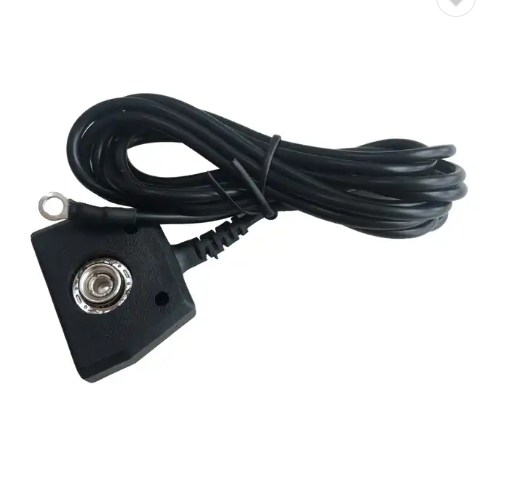
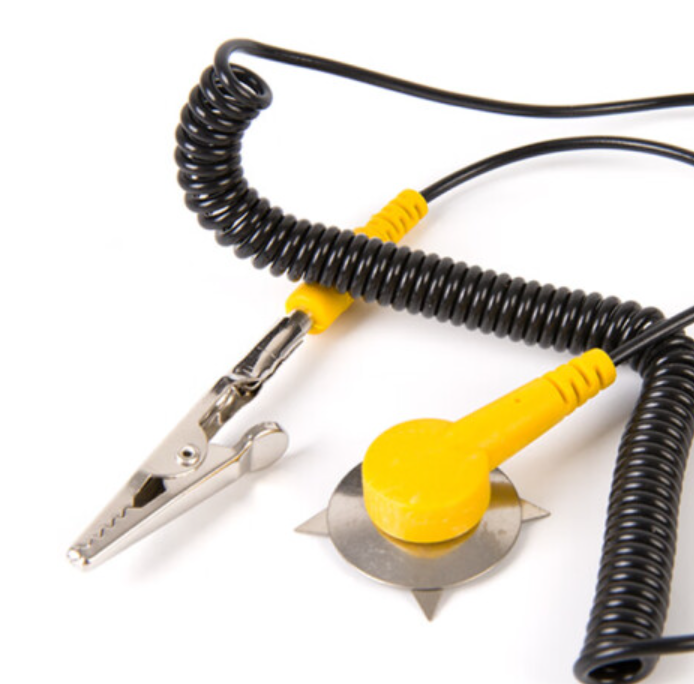
Grounding is the most direct and effective way to release static electricity. For conductors, grounding is commonly used, such as with wrist straps, static-free flooring, and workbenches.
Grounding methods include:
Grounding the human body through a wrist strap;
Grounding the human body via antistatic shoes (or straps) and grounding the floor;
Grounding the workbench;
Grounding testing instruments, tools, and soldering irons;
Grounding antistatic turntables, boxes, and racks;
Grounding antistatic chairs.


4.2 Electrostatic Shielding
Sensitive components can be exposed to static electricity during storage or transportation. Electrostatic shielding can reduce the influence of external static on components. Common methods include using electrostatic shielding bags and antistatic turn-over boxes. Additionally, antistatic clothing can provide some shielding for the human body.
4.3 Ion Neutralization
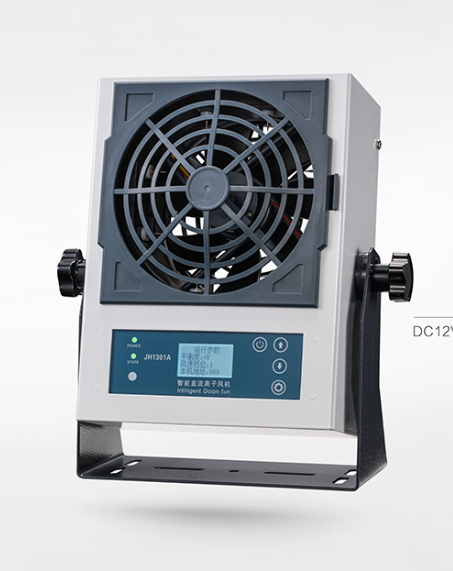
Insulating materials are prone to generating static electricity, and grounding is ineffective for neutralizing static on insulating materials. The most common method for eliminating static on insulators is ion neutralization. This involves using ionizers (e.g., ion fans) to provide a balanced electric field in the working environment.
5. Electrostatic Protection Materials and Facilities
Therefore, static protection materials and facilities can be categorized based on the three methods mentioned: grounding, shielding, and neutralization. These include:
Electrostatic instruments;
Grounding products;
Shielding products for packaging, transport, and storage;
Ionization devices;
Other electrostatic protection tools.
5.1 Electrostatic Instruments
Wrist straps/foot straps/antistatic shoe testers: Used to test whether wrist straps, foot straps, and antistatic shoes meet standards.
Ion fan testers: Used to regularly test and calibrate ion fans to ensure they operate within safe parameters.
Electrostatic field testers: Used to measure electrostatic fields, indicating the presence of static electricity.
Electrostatic shielding bag testers: Used to test the shielding effectiveness of electrostatic bags.
Surface resistance testers: Used to measure the surface and volume resistance of materials.
5.2 Grounding Products
Antistatic Wrist Straps: Widely used at workstations; most wrist straps have a 1-megohm resistor and a sufficient cable length.
Antistatic Foot Straps/Antistatic Shoes: Used in workplaces with antistatic floors to reduce dust and improve performance.
Antistatic Mats: Used to cover workbench surfaces and should be connected to ground with a 1-megohm resistor.